Whether you’re a videographer or a content creator, renting film equipment allows you to use high-end gear that would otherwise be beyond your budget. Renting also provides you with peace of mind in knowing that the equipment is properly maintained.
But is it worth the investment to purchase your own equipment?
1. Additional Fees
Many rental companies provide insurance to protect their equipment, which can be a great relief for those who are not used to dealing with the risks involved with handling expensive gear. They also handle any maintenance or repairs and can replace damaged items with similar equipment if needed.
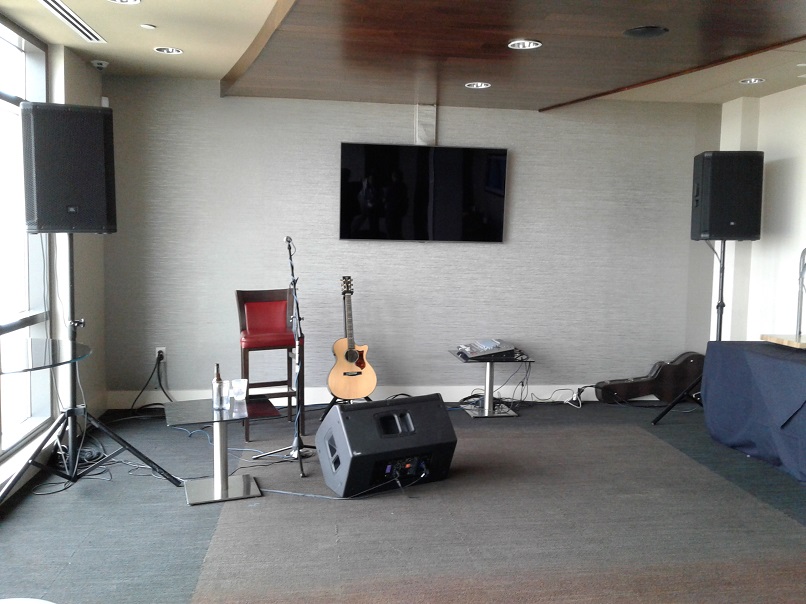
The backline equipment rental costs for an event can vary depending on the size of the space and the type of equipment required. For example, a larger audience will require more audio equipment for them to hear and more screen setups for everyone to see.
Cinematographers often rent their equipment because it is costly to buy and keep in a studio. It’s also a challenge for them to work into their fee schedule, as they would have to charge more per-project when owning their equipment.
2. Insurance
Many AV equipment rental sources require their customers to purchase insurance premiums for renting out their equipment. This is done to help protect their assets and ensure that their clients are aware of this extra cost.
Some equipment is more expensive to rent out than others due to the brand’s popularity and reputation. It can also be due to the quality of the equipment. For example, a low-cost speaker will not provide the same audio quality as a QSC.
Renting equipment can be convenient and flexible when compared to purchasing your own. However, it’s important to understand the hidden costs of renting AV equipment so that you can budget for them accordingly. This way you can avoid getting stuck with unnecessary expenses. Also, you’ll be better prepared for the unexpected.
3. Storage
Buying your own gear means you won’t have to pay extra rental fees for equipment. However, it comes with the responsibility of maintaining and storing your own equipment. This can be expensive and take up a lot of space.
AV equipment is sensitive and needs to be stored properly to prevent corrosion and other damage. This means a proper climate control system that provides stable temperatures and low humidity. It also requires a secure storage case that protects it from dust, moisture, and other environmental pollutants.
Proper storage methods can be costly but can be worth the investment to extend your audio and video gear’s lifespan. Organizing your inventory with clear, concise labels can help prevent misplaced equipment and save you time when looking for a specific piece of equipment.
4. Transportation
Video equipment rentals are a convenient way to save time and money on your project. They also eliminate the hassle of finding storage space and lugging around heavy equipment.
Many rental companies offer transportation services. This means that they will deliver the equipment to the venue. This can be a great option for filmmakers who don’t have a vehicle or aren’t comfortable driving with expensive gear in their car.
Some online rental sources include this service in their package prices. Others require a separate fee. For example, HarmonicProductions, BorrowLenses and LensRentals offer delivery services across the US. Other P2P rental services like KitSplit and Parachut use a subscription model to give you access to high-end camera equipment at a fixed monthly cost.
5. Maintenance
Having your own equipment offers a sense of ownership. When you’re working with equipment that you own, you have immediate access to it whenever you need it. However, this comes with some hidden costs.
Renting audio and video equipment can save you a lot of hassle. Rental companies and houses often have an extensive inventory of high-end gear that’s otherwise financially out of reach. This means that you won’t have to worry about storing equipment or transporting it yourself.
This is also a great way to try out new equipment and see if it fits your needs before making a purchase. This is especially important since technology moves so quickly that equipment you purchased may become obsolete before you even have the chance to fully recoup your investment.
 Tapped Can
Leave a comment