When it comes to renovating historical properties, striking the right balance between preserving the original charm and making modern upgrades is crucial.
Shutters play a significant role in this process.
They are not just functional elements; they are also key to maintaining the aesthetic integrity of historical buildings.
This blog explores how to integrate shutters into historical renovations effectively.
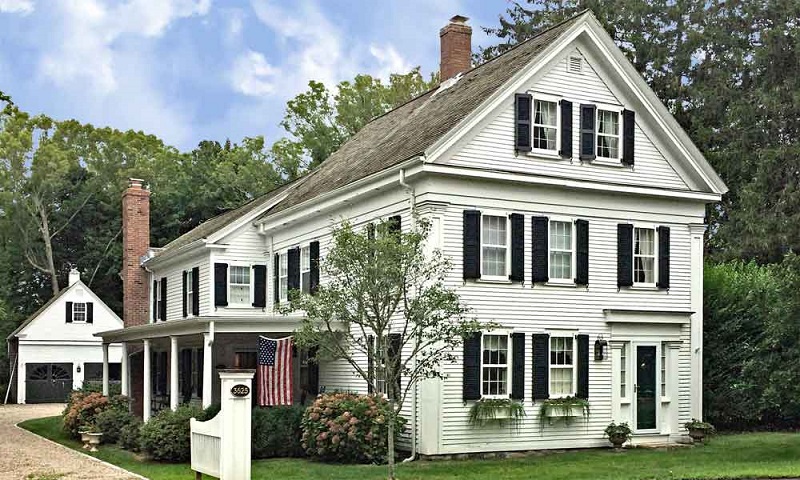
Respecting Historical Accuracy in Shutter Renovation
Research and Authenticity
Understanding the Era: Begin your renovation project by delving into the architectural history of the building. This involves researching the specific time period and style of the architecture. For instance, Victorian, Georgian, or Edwardian styles each have distinct characteristics that should be reflected in the shutters.
Architectural Detailing: Pay attention to the details prevalent in the era your building represents. This includes the type of wood used, the style of the louvers, and even the hardware details. Historical accuracy in these aspects ensures that the shutters not only look authentic but also complement the overall architectural integrity of the building.
Consulting Historical Records: If available, consult historical records or archives for photographs or descriptions of the building. This can provide invaluable insights into the original design and appearance of the shutters.
Preservation Guidelines
Understanding Local Regulations: Many historical buildings are protected under local, state, or national heritage laws. It’s crucial to understand these regulations as they often dictate what can and cannot be altered.
Working with Preservation Bodies: In some cases, you might need to work closely with local historical societies or preservation bodies. They can provide guidelines and sometimes even resources to help ensure that your renovations are in line with historical preservation standards.
Permit Requirements: Often, making changes to a historical property requires special permits. Ensure that you obtain all necessary approvals before beginning any work, especially when it involves external elements like shutters.
Replicating Original Designs
Custom Manufacturing: In many cases, replicating the original shutters may require custom manufacturing. This is particularly true for buildings from periods where standard sizes and styles were not the norm.
Attention to Detail: When replicating original designs, attention to detail is key. This includes matching the exact style – be it panel, louvered, or board and batten – as well as the size, proportions, and even the color.
Material Selection: While you might want to use modern materials for durability, it’s important to choose materials that mimic the look and feel of the originals. For instance, using high-quality wood that can be treated to look aged or weathered can maintain authenticity while offering longevity.
Craftsmanship: The craftsmanship in replicating shutters should match the era’s standards. This might involve using traditional techniques or finding craftsmen skilled in historical woodworking methods.
Modern Functionality in Historical Renovation
Material Advancements
Balancing Authenticity and Durability: While the aesthetic of historical shutters is paramount, modern materials can be used to enhance durability and reduce maintenance. For instance, treated wood or high-quality composite materials can replicate the look of traditional wood but offer greater resistance to weathering and decay.
Material Selection: Choose materials that not only withstand environmental elements but also align with the historical character. Advances in material technology mean you can have the best of both worlds – historical authenticity and modern durability.
Energy Efficiency
Insulation Upgrades: One of the key benefits of modern shutters is improved energy efficiency. In historical renovations, look for shutter options that provide better insulation, helping to maintain the interior climate of the building more effectively.
Sealing and Fitting: Ensure that the shutters fit perfectly within the existing window frames to prevent drafts. Modern sealing techniques can be employed to enhance the energy efficiency of the shutters without altering their external appearance.
Integrating Technology
Modern Conveniences: Incorporating motorized or smart shutters can add a layer of convenience to historical homes. These systems can be discreetly integrated to ensure they don’t detract from the historical aesthetics.
Remote Operation: Features like remote control operation or integration with home automation systems can be particularly beneficial in large or multi-story historical buildings, making it easier to manage light and privacy.
Aesthetic Considerations
Color Matching
Historical Accuracy: When choosing colors for shutters in a historical renovation, it’s important to either match the historically accurate colors or choose shades that complement the building’s existing color palette.
Consultation with Experts: Working with a color specialist or consulting historical records can help in selecting the right hues that resonate with the building’s era and style.
Detailing and Craftsmanship
Reflecting Period Styles: The craftsmanship in the shutters should mirror the quality and style of the period. Whether you select plantation shutters or wooden shutters, the quality is maintained to be the best every time. This includes the design of the louvers, the type of wood used, and even the finishing touches.
Custom Work: In many cases, achieving this level of detail may require custom work. This ensures that the shutters not only fit perfectly but also reflect the craftsmanship of the era.
Harmonizing with Other Elements
Complementary Design: The shutters should complement other architectural elements of the building. They should enhance the historical character, not overshadow it.
Consistency in Style: Ensure that the style of the shutters is consistent with other decorative and structural elements of the building. This creates a cohesive look that respects the building’s historical integrity.
Challenges and Solutions
Balancing Act: Finding the right balance between historical accuracy and modern functionality can be challenging. It often requires a tailored approach, considering both the historical significance and the practical needs of the building.
Cost Considerations: Historical accuracy can come at a higher cost, especially if custom work is needed. Budgeting for these expenses is crucial in the planning phase.
Expert Consultation: Working with architects or specialists in historical renovations can provide valuable insights and help navigate the complexities of integrating modern shutters into historical renovations.
Conclusion
Incorporating window shutters into historical renovations is a delicate task that requires a deep understanding of both the past and the present.
By respecting the original architecture, using modern materials wisely, and paying attention to detail, it’s possible to preserve the charm of historical buildings while bringing them up to date with contemporary standards of functionality and efficiency.
The key is to blend the old with the new in a way that respects and highlights the unique character of the historical property.
 Tapped Can
Leave a comment