In the field of regenerative medicine, the search for ways to speed up wound healing and promote tissue regeneration is a continuous challenge. Scientists are exploring various approaches, from stem cell therapies to new biochemical compounds. One intriguing area of research is the potential of salmon DNA in enhancing these processes. But how exactly does salmon DNA play a role in wound healing, and what makes it a viable option for improving tissue regeneration?
What is Salmon DNA?
Salmon DNA refers to the genetic material found in the cells of salmon, a species known for its resilience in harsh environments. Researchers have discovered that certain components of salmon DNA might possess properties that could aid in tissue repair and healing. Salmon, like other fish species, has the ability to regenerate lost or damaged tissue, which could be key in understanding how this DNA might help humans heal wounds more effectively.
How Does Salmon DNA Work in Wound Healing?
One of the most significant challenges in wound healing is the body’s ability to regenerate damaged tissue. When the skin or other tissues are injured, the healing process begins with inflammation, followed by tissue repair and regeneration. However, in some cases, the body’s natural healing process can be slow or inefficient.
It might play a role in accelerating this process. It has been shown to promote the growth of collagen, a protein that is essential for wound healing. Collagen helps to rebuild the skin and tissues at the injury site, promoting faster regeneration. By introducing salmon DNA into a wound site, it is thought that the body’s natural collagen production could be boosted, speeding up the healing process.
The Role of Salmon DNA in Tissue Regeneration
Tissue regeneration involves the replacement of damaged or lost tissues with new, functional tissue. Salmon, especially certain species like Atlantic salmon, can regenerate tissues such as fins and organs. This remarkable ability has captured the attention of scientists interested in how the DNA of such creatures could be applied to human medicine.
When it comes to tissue regeneration, salmon DNA is believed to help activate certain biological pathways that are involved in cellular regeneration. These pathways include the activation of growth factors, which are proteins that stimulate cell division and tissue growth. By influencing these pathways, it could potentially help regenerate tissues that would otherwise not heal as quickly or thoroughly.
Advantages of Using Salmon DNA for Wound Healing
- Faster Healing Times
It could help speed up the healing process by promoting faster collagen formation. Collagen is a crucial building block in skin and tissue repair. By increasing its production, salmon DNA could lead to faster wound closure and better recovery outcomes. - Reduced Scarring
One of the challenges in wound healing is the development of scars. Scar tissue is often less functional than the original tissue, and excessive scarring can result in long-term cosmetic or functional issues. It might help reduce scarring by encouraging more effective tissue regeneration and minimizing the formation of excessive fibrous tissue. - Improved Tissue Strength
Another potential benefit of salmon DNA is its ability to enhance the strength of newly formed tissue. This could be especially beneficial for deep wounds or surgical incisions, where the integrity of the tissue needs to be restored for proper function. Stronger tissue regeneration could lead to fewer complications and a faster return to normal activity. - Application in Chronic Wounds
Chronic wounds, such as diabetic ulcers or pressure sores, are notoriously difficult to heal. These types of wounds often involve poor blood circulation, which slows down the healing process. The introduction of salmon DNA into these wound sites could help stimulate blood vessel growth and improve the overall healing environment, potentially leading to faster recovery.
Potential Applications of Salmon DNA in Medicine
Given the promising results seen in laboratory settings, researchers are now exploring ways to apply salmon DNA in clinical settings. One potential application is in wound dressings. Specially designed bandages or gels infused with salmon DNA could be used to treat patients with chronic wounds, burns, or surgical incisions. These dressings could not only speed up the healing process but also reduce the risk of infection, as they promote healthier tissue regeneration.
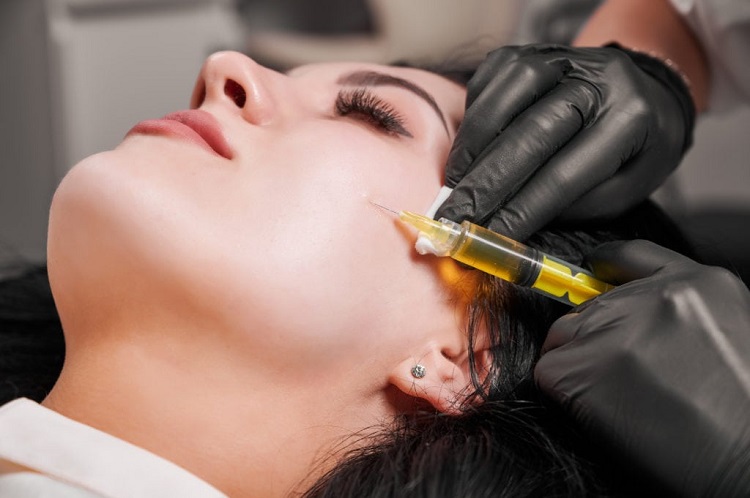
Another potential application is in the development of injectable treatments. Scientists are investigating whether salmon DNA could be delivered directly into the body through injections to stimulate tissue repair from within. These injections could be used to treat both acute injuries and chronic conditions that require tissue regeneration.
Challenges and Considerations
While the potential benefits of salmon DNA in wound healing and tissue regeneration are promising, there are still challenges to overcome. One of the main concerns is how to deliver the DNA effectively to the wound site. Additionally, the use of animal-derived DNA in human medicine raises ethical and regulatory questions that need to be addressed. Researchers will need to ensure that the application of salmon DNA is both safe and effective before it can become a mainstream treatment.
Conclusion
It holds great promise in the field of wound healing and tissue regeneration. Its ability to promote collagen production, reduce scarring, and stimulate tissue growth makes it an exciting area of research. While it is still early in its development, the potential applications of salmon DNA in medical treatments are vast. As scientists continue to explore this option, it may soon become a valuable tool in treating a variety of injuries and chronic conditions, offering a new avenue for improving patient recovery and quality of life.
 Tapped Can
Leave a comment