Mold growth is a common problem after water damage. Whether it’s from a flood, a leaking pipe, or excessive humidity, mold can quickly develop in damp areas. Left unchecked, it can affect air quality and damage the structure of your home or business. This is why water restoration companies place a strong focus on mold remediation and prevention as part of their services.
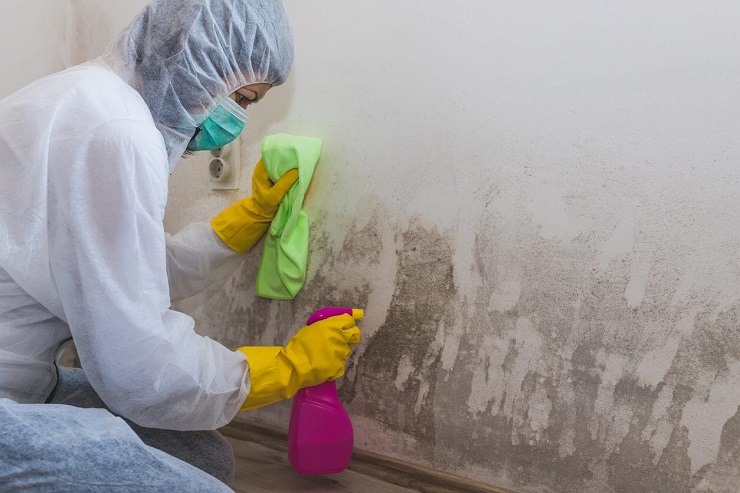
Let’s take a closer look at how they handle the process.
Initial Inspection and Assessment
The first step in mold remediation is a thorough inspection. Restoration professionals will check for visible signs of mold and areas with high moisture levels. They often use moisture meters and infrared cameras to detect hidden water damage behind walls or under floors. A detailed assessment helps them decide the best way to address the problem.
Containment of Affected Areas
Once mold is identified, the next step is containment. This involves sealing off the affected areas to prevent mold spores from spreading to other parts of the building. Professionals use physical barriers, such as plastic sheeting, along with negative air pressure machines to keep the contaminated air inside the work area.
Removal of Mold-Contaminated Materials
After containment, the actual removal process begins. Any materials that show signs of mold contamination, like drywall, insulation, or carpeting, are carefully removed and disposed of according to industry guidelines. If materials can be cleaned instead of removed, specialized equipment like HEPA vacuums and antimicrobial solutions are used.
Drying and Dehumidification
Removing the mold isn’t enough if the moisture problem still exists. Water restoration companies focus on thoroughly drying the affected areas. They use industrial-grade dehumidifiers and air movers to bring moisture levels back to normal. Without addressing excess humidity, mold can return quickly.
Cleaning and Sanitizing
Once drying is complete, the area is cleaned and sanitized. This step includes wiping down surfaces, applying antimicrobial treatments, and using air scrubbers to filter out remaining mold spores from the air. This helps restore healthy indoor air quality and prevents future outbreaks.
Preventive Measures and Ongoing Monitoring
Mold prevention is just as important as removal. Restoration experts offer advice on how to keep moisture under control moving forward. This might involve repairing leaks, improving ventilation, and using dehumidifiers in high-humidity areas. Some companies also provide follow-up visits to monitor for recurring problems.
If you’re dealing with water damage, working with professionals can make all the difference. A Palm Springs and Palm Desert restoration company typically offers comprehensive services, including mold remediation and prevention. Their approach focuses on eliminating mold and addressing the causes to prevent future issues.
Final Thoughts
Mold remediation is a step-by-step process that begins with identifying the problem and ends with preventing it from returning. By drying out the space, removing affected materials, and improving moisture control, restoration professionals help create a safer and healthier environment.
Whether you’re facing minor water damage or a more serious problem, reaching out to a reliable Palm Springs and Palm Desert restoration company can help you address mold concerns effectively and protect your property in the long run.
 Tapped Can
Leave a comment