Maine Coon kittens are known for their playful nature, strong bodies, and large size. Like any growing kitten, they need proper nutrition to stay healthy and active. However, some Maine Coon kittens may develop food sensitivities or allergies, which can lead to digestive problems, skin irritation, or lack of energy. Choosing the right food is important to help them grow well without discomfort.
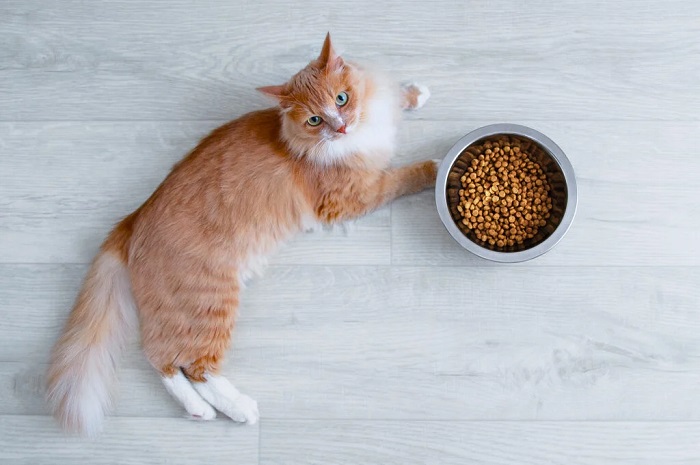
In this article, we will look at some of the best food options for Maine Coon kittens with sensitivities or allergies. This will help you make the right choice and keep your kitten healthy and happy.
Look for Limited Ingredient Diets
Kittens with food sensitivities benefit from limited ingredient diets. These foods have fewer components, which lowers the chance of triggering an allergic reaction. They often include a single protein source, such as turkey, duck, or salmon, and are free from common allergens like wheat, soy, and corn. Limited ingredient diets are easy to digest and help reduce issues like vomiting, diarrhea, and skin problems.
Choose Hypoallergenic Protein Sources
Hypoallergenic protein sources are important for Maine Coon kittens with allergies. Some kittens may be sensitive to common proteins like chicken or beef. In such cases, switching to novel proteins like venison, rabbit, or duck can help. These proteins are less likely to cause an allergic reaction and provide the nutrients your kitten needs for healthy growth.
Grain-Free Options Can Help
Grains like corn, wheat, and soy are common allergens for some kittens. Choosing grain-free kitten food can be helpful if your Maine Coon shows signs of food allergies. Grain-free formulas often use sweet potatoes or peas as an alternative carbohydrate source. These ingredients are gentle on the stomach and support healthy digestion.
Look for Omega-3 and Omega-6 Fatty Acids
Fatty acids like Omega-3 and Omega-6 support healthy skin and a shiny coat. If your kitten has food allergies that cause itchy skin or dull fur, choosing food rich in these nutrients can help improve their condition. Salmon oil and flaxseed are common sources of these fatty acids in kitten food.
Consult with a Veterinarian
Before making any changes to your kitten’s diet, it is always a good idea to speak with a veterinarian. They can help you identify which ingredients are causing the problem and recommend specific foods suited for your Maine Coon kitten’s health.
Many responsible breeders, such as Top Maine Coon breeder Bubochka, provide helpful guidance on the best foods for kittens with sensitivities. They often have firsthand experience with feeding kittens who have special dietary needs.
Conclusion
Choosing the best food for Maine Coon kittens with food sensitivities or allergies is important for their health and comfort. Focus on limited ingredient diets, hypoallergenic proteins, and grain-free options to support their well-being. For reliable advice, breeders like Top Maine Coon breeder Bubochka and your veterinarian can offer helpful suggestions. With the right food, your kitten can grow strong and stay active without discomfort.
 Tapped Can
Leave a comment