3D hologram fans have been gaining attention for their ability to display floating, vibrant images in mid-air, making them a fascinating innovation in visual technology. But can these fans work alongside other technologies like augmented reality (AR) or virtual reality (VR)? This article explores the possibilities of integrating 3D hologram fans with AR and VR, and what benefits such combinations might offer.
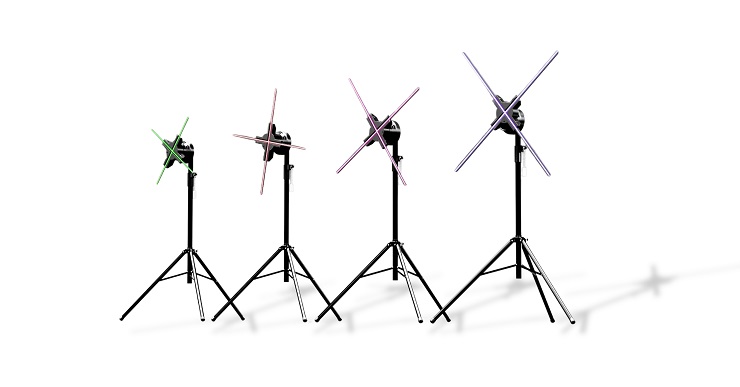
What Is a 3D Hologram Fan?
Before diving into integration, it’s helpful to understand how a 3D hologram fan works. It is a device that uses rotating LED strips to create a three-dimensional image visible to the naked eye. This effect captures attention in retail, exhibitions, and advertising due to its eye-catching display and ability to present complex visuals without the need for a screen.
Potential for Integration with AR
Augmented reality adds computer-generated elements to real-world environments, typically viewed through smartphones or AR glasses. Combining a 3D hologram fan with AR technology could offer a richer experience. For example, a hologram fan might project a physical 3D image in a room, while an AR app could overlay additional information or interactive content related to the hologram. This pairing would allow users to view detailed product information or virtual enhancements by simply pointing their device at the hologram.
Additionally, AR could help overcome some of the limitations of hologram fans, such as fixed viewing angles or size constraints. By layering AR content, viewers could explore different perspectives or zoom in on details that the hologram alone cannot display effectively.
Combining with Virtual Reality
Virtual reality immerses users in a completely digital environment, usually with a headset. At first glance, VR and 3D hologram fans serve different purposes, but their integration could open new possibilities. For instance, in VR training or simulation setups, a hologram fan could project physical objects or interfaces into the real space, complementing the virtual surroundings. This could help users interact with tangible items while remaining immersed in VR.
Moreover, combining VR with hologram fans could enhance collaborative experiences. Imagine a group wearing VR headsets, with a 3D hologram fan projecting a shared object or data set in the room for everyone to see and discuss. This hybrid approach could make virtual meetings or presentations more engaging and interactive.
Challenges to Consider
While integration sounds promising, it is important to recognize challenges. Synchronizing content between 3D hologram fans and AR or VR devices requires precise timing and calibration. There is also the need for compatible software platforms that can communicate seamlessly across these technologies.
Furthermore, cost and technical complexity may limit widespread adoption in the short term. Developers and companies will need to weigh the benefits against these factors before investing heavily in combined setups.
Conclusion
Integrating 3D hologram fans with AR and VR technology is certainly possible and could enhance how we experience digital content in physical spaces. By blending the strengths of each technology, users could benefit from immersive, interactive, and visually striking presentations. However, practical hurdles like synchronization and cost must be addressed to make such combinations common in everyday applications. For now, the potential of this integration remains an exciting area for innovation and exploration.
 Tapped Can
Leave a comment