Locksmith services have always been associated with physical keys, locks, and traditional security systems. Over time, however, advances in home technology have changed the way professionals approach security. The locksmith industry has shifted its focus from mechanical systems to digital solutions that integrate with smart home devices. This article looks at how locksmith services have adapted to modern technology and how it affects homeowners today.
How Has the Locksmith Industry Evolved with Smart Home Technology?
Traditional Locksmith Services
For decades, locksmiths mainly dealt with key cutting, repairing door locks, and helping people during lockouts. A call to an emergency locksmith often meant someone was locked out of their home, had misplaced keys, or needed a broken lock fixed. These services are still essential today, but the methods have expanded to include advanced technologies.
While the standard lock and key continue to be widely used, they are now supported by newer systems that provide greater convenience. Homeowners are increasingly looking for locksmiths who can handle both mechanical and digital solutions.
Introduction of Electronic Locks
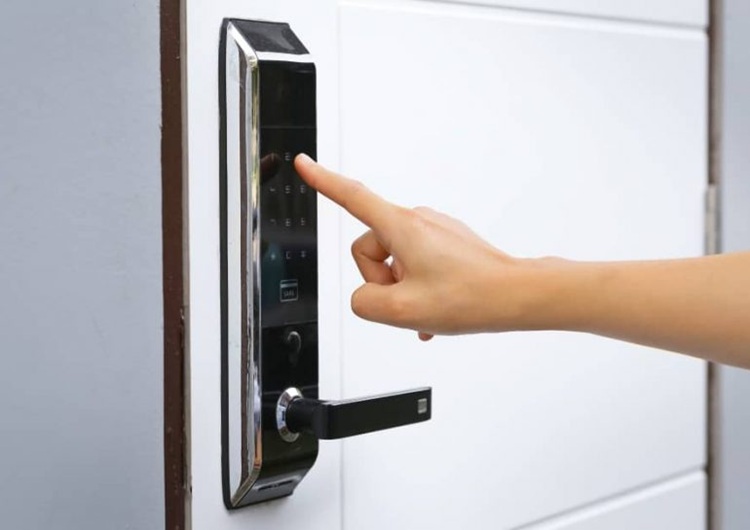
The first major change in the industry came with the introduction of electronic locks. These locks removed the dependency on physical keys by allowing entry through keypads and card systems. Locksmiths had to learn how to install and repair these new devices.
Electronic locks also required knowledge of wiring and basic electronics, which was very different from traditional locksmith training. This development marked the beginning of a broader skill set for locksmith professionals.
Rise of Smart Home Technology
With the growth of smart home devices, locksmith services have advanced further. Smart locks can be controlled using mobile apps, voice commands, or even biometric recognition. This level of convenience has created a new expectation among homeowners.
For example, a smart lock can be connected to a Wi-Fi network, allowing the homeowner to lock or unlock doors remotely. Families can provide access codes to visitors without needing spare keys. Locksmiths now work closely with technology that integrates with the broader smart home system, such as security cameras, alarms, and automated lighting.
The Role of Modern Locksmiths
The locksmith industry today goes beyond simply fixing locks. Professionals are now advisors on home security systems. They must understand smart devices, wireless connectivity, and even data security aspects of these systems.
For instance, an emergency locksmith in Durham may not only assist with traditional lockouts but also troubleshoot issues with smart locks. This requires the ability to reset access codes, reconfigure apps, and work with different types of smart devices. The locksmith’s role has expanded into areas that overlap with IT support and home automation.
Emergency Locksmith Services in the Digital Age
Emergencies have also changed with technology. In the past, an emergency call meant a broken key in the lock or a lost set of keys. Today, homeowners can face issues such as being locked out due to a malfunctioning smart lock app or a dead battery in the lock system.
An emergency locksmith Durham service must be ready to deal with both mechanical and electronic problems. For instance, if the lock battery dies, the locksmith may need to provide access through backup methods and replace the power source. This dual responsibility highlights how much the industry has expanded to cover new situations.
Advantages of Smart Locks
Smart locks provide homeowners with several benefits. First, they offer remote control. You can lock your doors from your phone even if you are not at home. Second, they allow multiple ways of access such as fingerprints, codes, or mobile apps.
Another advantage is the ability to monitor access history. Homeowners can see who entered their home and at what time. This is particularly helpful for families with children or for rental properties. Locksmiths have become the professionals who explain and set up these benefits for customers.
Challenges with Smart Home Integration
Despite the convenience, smart locks and devices also come with challenges. For example, they depend on power sources and internet connectivity. If the power fails or the network is down, access may become an issue.
Locksmiths have adapted by learning backup methods such as mechanical overrides and alternative entry solutions. Another challenge is cybersecurity. Since smart locks rely on apps and networks, they are exposed to potential hacking. Locksmiths must stay updated with software patches and secure configuration practices to provide reliable services.
Training and Skills Development
To keep up with these changes, locksmiths undergo continuous training. Traditional skills are still important, but there is now a strong focus on electronics, networking, and software integration. Many locksmiths attend specialized courses to work confidently with smart systems.
This training allows them to provide both preventive advice and emergency support. For example, if a homeowner struggles with a faulty lock app, the locksmith should know how to reset the system while maintaining the integrity of the security setup.
The Future of Locksmith Services
Looking ahead, locksmith services will continue to evolve as smart home technology advances. We may see locks that use advanced biometrics such as facial recognition or even systems connected directly with mobile devices through encrypted communication.
Locksmiths will remain an important part of this growth, bridging the gap between mechanical security and digital convenience. They will need to maintain knowledge of both old and new systems to provide complete solutions for customers.
Conclusion
The locksmith industry has transformed significantly with the growth of smart home technology. From traditional key cutting to managing advanced digital systems, locksmiths have become versatile professionals who handle a wide range of security needs.
Emergency locksmith Durham services are no longer limited to replacing keys or fixing locks. They now include troubleshooting smart locks, advising on home security integration, and providing support for both physical and digital systems.
This evolution shows how locksmith services have adapted to meet the modern demands of homeowners, offering both reliability and convenience in a digital age.
 Tapped Can
Leave a comment