Play is a central part of childhood, and toys play a major role in shaping how children understand and express emotions. From early childhood onward, toys act as tools that help children process feelings, build emotional awareness, and develop healthy social habits. By observing how children interact with toys, parents and educators can better understand how toys help kids in early education, especially in emotional growth.
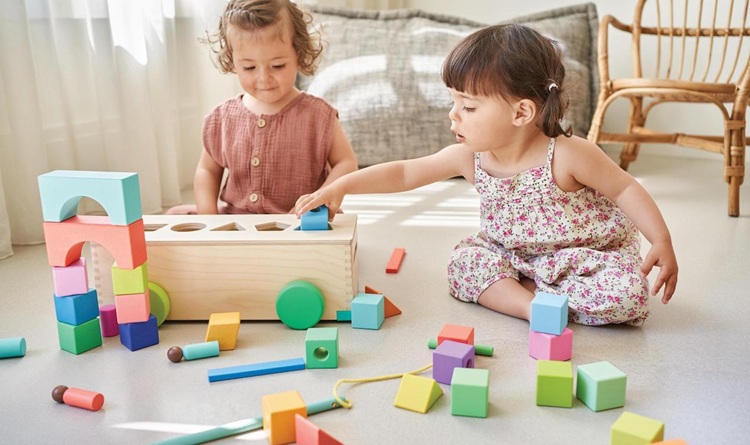
The Role of Play in Emotional Development
Emotional development refers to a child’s ability to recognize feelings, manage reactions, and relate to others. Play provides a safe setting where children can experience emotions such as joy, frustration, fear, and excitement without real-life consequences. Through repeated play experiences, children learn how to respond to these emotions in a controlled way.
Toys allow children to act out real-life situations. A child playing with dolls may imitate family interactions, while a toy car set may represent independence or control. These actions help children understand emotional responses and practice handling them during everyday situations.
How Toys Help Kids Recognize and Express Emotions
Many toys encourage children to express feelings openly. Dolls, action figures, and stuffed animals often become stand-ins for people in a child’s life. Children talk to them, care for them, and project emotions onto them. This process helps children identify feelings that they may not yet be able to explain verbally.
For younger children, emotion-based toys such as face puzzles or character figures with expressions help them match emotions with visual cues. Over time, this strengthens emotional vocabulary and improves communication. Children who can name emotions are better prepared to handle them calmly.
Building Empathy Through Imaginative Play
Imaginative play is one of the strongest contributors to emotional development. Role-playing toys allow children to step into different perspectives. A child pretending to be a teacher, doctor, or parent begins to understand responsibility and concern for others.
This type of play helps children develop empathy by showing them how actions affect others. When a child comforts a toy that is “sad” or helps a figure that is “hurt,” they practice emotional responses that later appear in real interactions. These early experiences support kindness, patience, and understanding.
Learning Emotional Control Through Challenges
Some toys introduce small challenges that help children manage emotions such as frustration and excitement. Puzzles, building blocks, and board games teach children that effort and patience lead to results. Losing a game or struggling to build a structure gives children a chance to handle disappointment.
With guidance from adults, children learn that setbacks are temporary. This builds emotional control and resilience. Over time, children become better at staying calm, trying again, and managing strong reactions in a healthy way.
Social Interaction and Emotional Growth
Toys often encourage group play, which supports emotional development through social interaction. Sharing toys, taking turns, and following simple rules help children understand fairness and cooperation. These experiences also introduce children to emotions such as jealousy, excitement, and pride.
Through group play, children learn how to resolve conflicts and communicate needs. Simple toys like board games or pretend-play sets promote conversation and teamwork. These skills later support classroom behavior and peer relationships.
Toys and Emotional Safety in Early Learning
A consistent play routine provides emotional comfort. Familiar toys give children a sense of stability, especially during stressful moments such as starting school or adjusting to new environments. Comfort toys, such as soft plush items, help children self-soothe and feel secure.
In early education settings, toys act as bridges between home and school. Children who feel emotionally safe are more open to learning, exploring, and interacting with others. This connection shows how toys help kids in early education by supporting emotional readiness for structured learning.
The Role of Adults During Play
While toys play an important role, adult involvement shapes the emotional benefits of play. Observing children during play helps adults identify emotional patterns and guide responses. Asking simple questions about feelings or actions during play encourages reflection.
Adults can also model emotional behavior by showing calm reactions and supportive language. This guidance helps children understand acceptable emotional responses and builds trust during learning experiences.
Conclusion
Play with toys supports emotional development by helping children recognize feelings, express emotions, and build empathy. Through imaginative scenarios, social interaction, and manageable challenges, toys give children opportunities to practice emotional skills in a safe setting. These experiences strengthen emotional control and social awareness, which are essential for early education. By choosing appropriate toys and staying involved in play, parents and educators can support balanced emotional growth that benefits children both in learning spaces and daily life.
 Tapped Can
Leave a comment